
Planting notes
- Penn State Extension recommends samples 4 inches deep for lawns and 6 to 8 inches for gardens, from 8 to 10 spots mixed together.
- As a rule, test sandy soils every 2 to 3 years and clay soils every 3 to 4 years, according to Penn State.
- Clemson Extension says azaleas, rhododendrons and blueberries prefer acidic soil, around pH 5.0 to 5.5.
Fertilizer bags and lime are often bought by guesswork. A soil test replaces the guess with numbers: your soil’s pH and nutrient levels, and specific recommendations for what to add. Land-grant universities run soil testing labs in every state, usually through the county Cooperative Extension office, and a standard test costs a nominal fee.
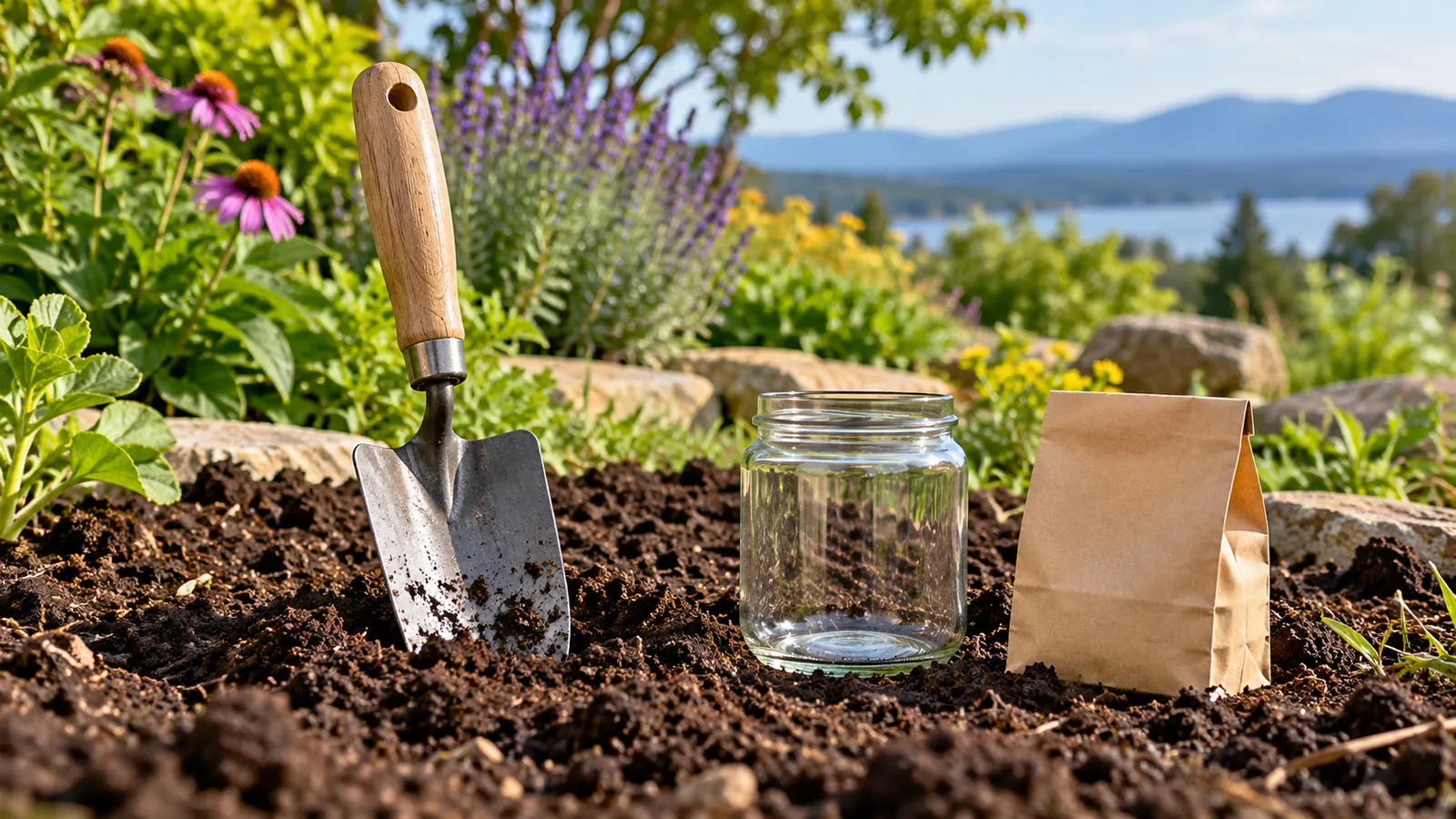
Why test?
Clemson University’s Home and Garden Information Center explains that following soil test recommendations helps prevent nutrient deficiencies from under-fertilizing and problems from over-fertilizing, such as excessive leafy growth, salt burn and wasted money. It also protects the environment from runoff of excess fertilizer. In some areas, Clemson notes, soils already contain high levels of phosphorus or calcium, so adding more does no good.
EPA’s WaterSense program adds a water angle: healthy soil cycles nutrients, holds water and reduces runoff, and it recommends testing soil for nutrients, pH, composition and organic matter.
How to take a sample
Penn State Extension and Clemson Extension give similar instructions:
| Step | Penn State Extension | Clemson Extension |
|---|---|---|
| Number of spots | Cores from 8 to 10 random spots | 8 to 10 or more cores |
| Depth for lawns | 4 inches | 2 to 4 inches |
| Depth for gardens and beds | 6 to 8 inches | Surface to 6 inches |
| Mixing | Mix cores in a plastic bucket | Mix in a clean plastic bucket |
| Amount to submit | Fill the bag in the kit | At least 2 cups per composite sample |
Use clean tools, since fertilizer or pesticide residue skews results, and do not send soil that is soaking wet.
One sample per area
Clemson recommends a separate composite sample for each part of the yard that is managed differently: one for the lawn, one for foundation or perennial beds, one for the vegetable garden. If a spot grows poorly, test it separately and compare it with a healthy area.
When and how often
Soil can be sampled at any time of year, Clemson says, but the best time is a couple of months before planting or before the main fertilizing season, which gives lime time to react with the soil. Penn State’s rule of thumb is to test sandy soils every 2 to 3 years and clay soils every 3 to 4 years, and sooner if problems appear during the growing season.
Tip: Test before you build a new bed, lay sod or plant trees. Fixing pH is far easier while the soil is open than after plants are in.
Reading the report
A standard report shows soil pH, levels of key nutrients and recommendations for lime and fertilizer for the plants you list. Penn State’s lab, for example, measures water pH, lime requirement and phosphorus, potassium, magnesium and calcium. Clemson’s lab mails or emails results in about seven to fourteen days.
pH
Clemson explains that pH runs from 0 to 14, with 7 neutral; lower numbers are acidic and higher numbers alkaline. pH affects which nutrients plants can take up.
| Plants | Preferred pH (Clemson Extension) |
|---|---|
| Azaleas, rhododendrons, blueberries, conifers | About 5.0 to 5.5 (acidic) |
| Vegetables, most turfgrasses, most ornamentals | Slightly acidic, around 6.0 to 6.5 |
Nutrients
Clemson groups plant nutrients into three categories. Nitrogen, phosphorus and potassium are primary nutrients, needed in fairly large amounts. Calcium, magnesium and sulfur are secondary nutrients, needed in smaller amounts but just as essential. Micronutrients such as zinc, manganese and copper are needed only in traces. The report shows where your soil falls for the nutrients the lab measures, usually as a bar or range from low to excessive. When you fill out the form, list the plants you are growing; Clemson’s lab, for example, gives fertilizer and lime recommendations for up to four categories of plants or turf per sample. If you are mixing soil for containers or raised beds, ask for a soilless mix test instead, which needs at least a quart of the mix.
Nitrogen
Most labs do not test nitrogen for home samples. Clemson notes that available nitrogen moves quickly through soil with rain and irrigation, so levels change constantly; recommendations are based instead on what the plants need.
Soil structure matters too
A test measures chemistry, but plants also need air and water in the soil. WaterSense notes that construction and foot traffic compact soil, and that aerating helps water reach roots and reduces runoff. Organic matter, from compost or decomposing mulch, improves both sandy soils that drain too fast and clay soils that drain too slowly.
Regional differences
Soils vary across the country as much as climate does, and the plants that suit them vary too: Clemson’s guidance for azaleas, a Southern staple, calls for acidic, well-drained, organic soil. Your county extension office knows the local patterns and can help interpret results. See the regional guides, such as Landscaping in the Southeast: Heat, Humidity and Acid Soil and Landscaping in the Mountain West: Short Seasons and Wildfire Zones.
The bottom line
Take 8 to 10 small samples per area, mix them, send them to your state’s extension lab and follow the recommendations. A soil test pays for itself in fertilizer you do not buy, plants that thrive and less runoff. It is the first practical step in any plan; see How to Draw a Landscape Plan for Your Yard, Step by Step.